Smart Wearables Compared: Watch vs Band vs Ring vs Glasses vs Earbuds
Wearable tech comparison guide — choosing the right wearable device means understanding the trade-offs across six major categories: smart watches, fitness bands, smart rings, AI glasses, TWS earbuds, and smart jewelry. Each category serves different users, uses different sensors, and delivers different battery life. This comprehensive comparison from Vositone — a 16-year Shenzhen wearable OEM with 70+ R&D engineers and six product lines — breaks down every device type, compares specifications side by side, and guides both consumers and OEM brands on selecting the right form factor. For sensor-level comparison, read our Biometric Sensors vs Wearables Test 2026.
- Wearable Device Types Overview
- Comprehensive Technology Comparison
- Smart Watch vs Smart Band vs Smart Ring
- AI Glasses and TWS Earbuds
- Smart Jewelry
- How to Choose the Right Wearable
- Vositone Full Product Line OEM Capability
- Future Trends
- Frequently Asked Questions
- Build Your Wearable Lineup with Vositone
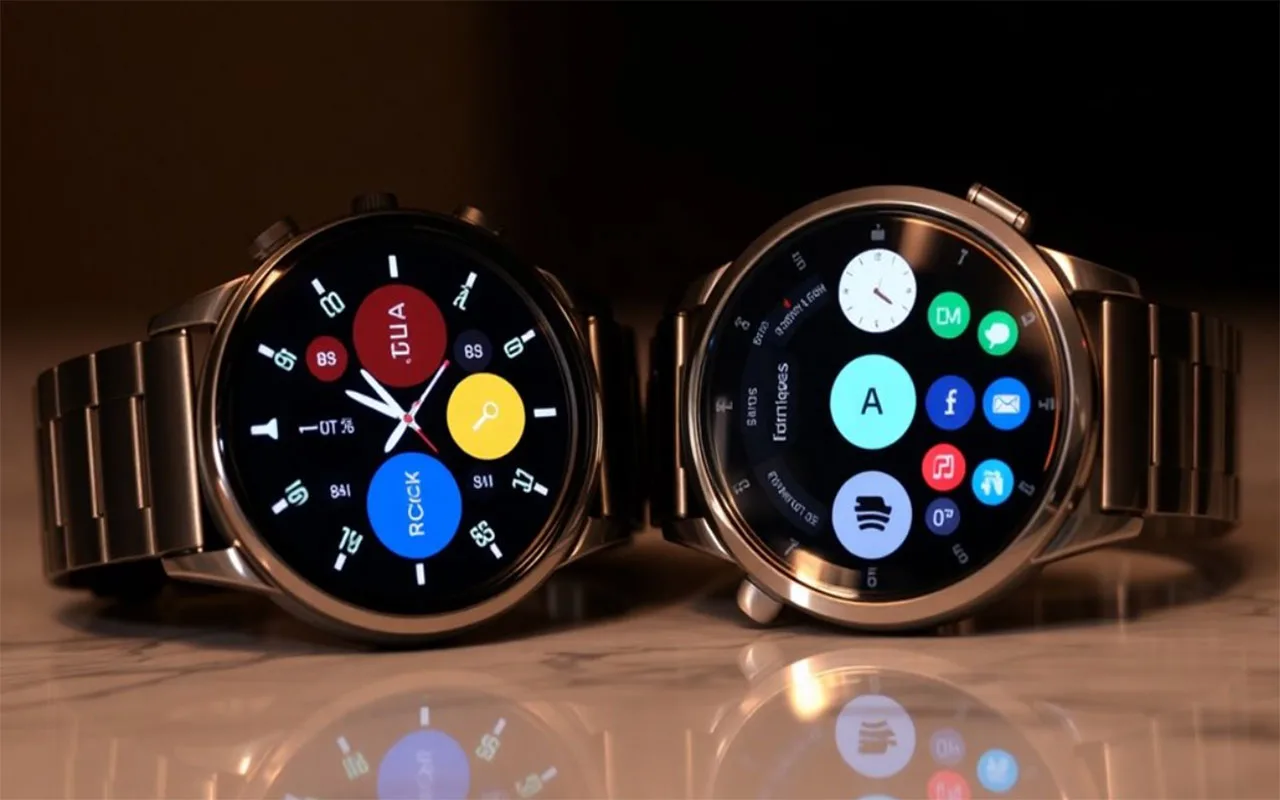
Wearable Device Types Overview
Six Major Categories
In practice, the wearable market has matured into six distinct device categories, each with unique strengths and limitations. Smart watches offer the most features but shortest battery life. Smart rings prioritize discretion and sleep tracking. AI glasses bring visual and audio intelligence to the face. TWS earbuds dominate audio and voice. Smart bands offer affordable fitness tracking. Smart jewelry combines fashion with subtle technology.
Market Context
Similarly, global wearable shipments exceed 500 million units annually, with smart watches and TWS earbuds accounting for the majority. Smart rings are the fastest-growing category, driven by sleep and recovery tracking. AI glasses are emerging as the next major platform, with multiple manufacturers launching products in 2025-2026. For battery and power considerations across categories, see our Wearable Power Management & Battery Guide 2026.
OEM Opportunity
Furthermore, for OEM brands, offering multiple device categories creates ecosystem lock-in and higher customer lifetime value. A brand that sells a watch, ring, and earbuds — all synced through one app — retains customers better than a single-product brand. Vositone supports this multi-category strategy with a unified SDK across all six product lines. For ecosystem sync, see our Multi-Device Wearables Sync Guide 2026.
Comprehensive Technology Comparison
| Dimension | Smart Watch | Smart Band | Smart Ring | AI Glasses | TWS Earbuds | Smart Jewelry |
|---|---|---|---|---|---|---|
| Display | AMOLED/TFT 1-2" | PMOLED/None | None | MicroLED/Optical | None | None/Subtle LED |
| Core Sensors | PPG, SpO2, ECG, IMU | PPG, IMU | PPG, Temp, IMU | Camera, Mic, IMU | PPG (some), Mic | PPG (hidden), IMU |
| GPS | Built-in (many) | Phone-only | None | None/Phone | None | None |
| Battery Life | 1-3 days | 5-14 days | 5-7 days | 4-8 hours | 4-8h + case | 3-7 days |
| Waterproof | 5ATM/IP68 | IP68/5ATM | 5ATM/IP68 | IPX4 | IPX4-IPX5 | IP67 |
| Connectivity | BLE, WiFi, GPS | BLE | BLE, NFC | BLE, WiFi | BLE | BLE/NFC |
| Audio | Speaker/Mic | None | None | Speaker/Bone | Driver/Mic/ANC | None |
| Price Range (OEM) | $15-80 | $5-25 | $20-60 | $50-200 | $5-30 | $15-50 |
| Retail Range | $50-500 | $20-80 | $150-350 | $200-800 | $30-200 | $100-500 |
| Best For | All-around | Fitness/Entry | Sleep/Recovery | AR/AI Assistant | Audio/Calls | Fashion/Wellness |
For example, the smart watch remains the most capable single device, with a full display, multiple sensors, GPS, and audio. However, its 1-3 day battery life requires frequent charging. The smart ring sacrifices display and GPS for 5-7 day battery life and unparalleled comfort for 24/7 wear. AI glasses and TWS earbuds prioritize audio and visual intelligence over health tracking. Each category represents a different point on the feature-versus-convenience spectrum.
Smart Watch vs Smart Band vs Smart Ring
Smart Watch: The All-Rounder
In practice, the smart watch is the most versatile wearable. It combines a full-color display, heart rate monitoring, GPS, notifications, music control, and contactless payment in one device. Premium models add ECG, SpO2, skin temperature, and advanced fitness metrics. The trade-off is battery life — most watches need charging every 1-2 days, especially with always-on displays and GPS use.
Smart Band: The Affordable Fitness Tracker
Specifically, the smart band (or fitness tracker) is the entry-level category. It strips down to essentials: step counting, basic heart rate, sleep tracking, and smartphone notifications. Bands use small or no displays to achieve 5-14 day battery life. They are ideal for price-sensitive consumers, corporate wellness programs, and users who want simple fitness tracking without smartwatch complexity.
Smart Ring: The Sleep and Recovery Specialist
Moreover, the smart ring is the fastest-growing category. Its small form factor contains PPG heart rate, SpO2 (on some models), skin temperature, and motion sensors — all without a display. The ring excels at 24/7 wear, especially sleep tracking, because it is lightweight and unobtrusive. Battery life ranges 5-7 days. For ring sensor technology, see our Smart Ring Sensors 2026.
Head-to-Head Comparison
| Factor | Smart Watch | Smart Band | Smart Ring |
|---|---|---|---|
| Feature richness | Highest | Lowest | Medium |
| 24/7 wear comfort | Medium | High | Highest |
| Sleep tracking quality | Good | Good | Excellent |
| Battery life | Lowest | Highest | High |
| Price point | Highest | Lowest | Medium-High |
| Fashion appeal | Medium | Low | High |
| Ecosystem hub | Best | Limited | Limited |
Notably, many premium users combine a watch (for daytime features) with a ring (for sleep and recovery). This dual-device approach leverages each form factor's strengths while compensating for weaknesses. Vositone's unified SDK enables seamless data sync between watch and ring.
AI Glasses and TWS Earbuds
AI Smart Glasses
For example, AI smart glasses represent the newest wearable category. They combine a lightweight glasses frame with cameras, microphones, speakers (often bone conduction or open-ear), and optional microLED displays. Features include AI assistant voice interaction, real-time translation, photo/video capture, navigation overlays, and notifications. Battery life is typically 4-8 hours due to the always-on microphone and processing. Waterproofing is limited to IPX4 (splash resistance) because of the audio and camera components.
TWS Earbuds
Similarly, True Wireless Stereo (TWS) earbuds are the highest-volume wearable category. They deliver high-quality audio, active noise cancellation (ANC), transparency mode, touch controls, and voice assistant access. Premium models add heart rate monitoring and fitness tracking. Battery life is 4-8 hours per charge, with a charging case providing 20-30 additional hours. TWS earbuds are essential for any brand building a multi-device ecosystem, as they complement watches and rings with audio capabilities.
Synergy Between Categories
Furthermore, AI glasses and TWS earbuds serve overlapping use cases — both handle calls, voice assistants, and audio. Glasses add visual intelligence (camera, display) while earbuds deliver superior audio quality and noise cancellation. OEM brands often position them as complementary products rather than direct competitors. Vositone supports both categories with custom firmware, ANC tuning, and AI assistant integration.
Smart Jewelry
Fashion Meets Technology
In practice, smart jewelry — including smart necklaces, bracelets, and rings designed as fashion pieces — targets users who want wellness tracking without the look of a tech device. Sensors are hidden inside elegant housings, often with precious metals or gemstones. Features typically include activity tracking, sleep monitoring, menstrual cycle tracking, and discreet notifications via subtle vibration or LED patterns.
Design and Manufacturing Challenges
Specifically, smart jewelry poses unique manufacturing challenges: the electronics must fit inside small, irregular form factors; the housing material (stainless steel, titanium, ceramic, or gold) must not interfere with Bluetooth or sensor signals; and the aesthetic finish must meet jewelry quality standards. Vositone's engineering team has experience designing custom antenna placements and sensor windows for jewelry form factors.
Market Positioning
Moreover, smart jewelry occupies a premium niche, with retail prices often $100-500. It appeals to fashion-conscious consumers, women's health tracking, and corporate gifting. OEM brands can differentiate by combining jewelry-grade design with Vositone's proven sensor and firmware platform.
How to Choose the Right Wearable
For Consumers
For example, consumers should choose based on their primary use case. Fitness enthusiasts who want GPS and workout metrics should choose a smart watch. Users focused on sleep and recovery may prefer a smart ring. Budget-conscious first-time buyers should start with a smart band. Audio-first users need TWS earbuds. Tech early adopters should explore AI glasses. Fashion-focused users should consider smart jewelry.
For OEM Brands
Similarly, OEM brands should select categories based on target audience, price positioning, and ecosystem strategy. Entry-level brands often start with smart bands or TWS earbuds (low MOQ, fast time-to-market). Premium brands launch smart watches or rings (higher margin, stronger differentiation). Brands building an ecosystem should plan 2-3 complementary categories with a unified app and SDK.
Decision Framework
表格
| Primary Need | Recommended Category | Key Features to Prioritize |
|---|---|---|
| All-around smart features | Smart Watch | Display, GPS, notifications, ECG |
| Budget fitness | Smart Band | Steps, HR, sleep, long battery |
| Sleep and recovery | Smart Ring | 24/7 wear, HRV, temperature |
| Audio and calls | TWS Earbuds | ANC, battery, mic quality |
| AI and visual intelligence | AI Glasses | Camera, display, assistant, battery |
| Fashion and wellness | Smart Jewelry | Design, hidden sensors, cycle tracking |
Finally, many users benefit from combining categories — a watch for daytime, a ring for sleep, earbuds for audio. This multi-device approach is where Vositone's unified ecosystem provides the strongest value.
Vositone Full Product Line OEM Capability
Six Product Lines, One Platform
In practice, Vositone manufactures all six wearable categories under one roof: smart watches, smart bands, smart rings, AI glasses, TWS earbuds, and smart jewelry. This means OEM clients can source their entire product lineup from a single partner, with consistent quality, unified firmware, and one point of contact.
Unified SDK and Ecosystem
Similarly, Vositone provides a unified SDK that works across all six product lines. This enables seamless data sync, shared user accounts, cross-device notifications, and a single app experience. Brands can launch one product first, then expand to additional categories without re-engineering their app or cloud infrastructure.
Customization and Scale
Furthermore, every Vositone product supports deep customization: industrial design, sensor configuration, firmware features, app UI/UX, branding, and packaging. MOQ starts at 300 units per product line, with 10-15 day sampling and 30-55 day mass production. Our 10,000 sqm factory produces 50,000+ units monthly (peak 80,000) with a 0.3% defect rate. 100% customer IP ownership and NDA protection are standard.
Certification and Support
Finally, all Vositone wearables come with CE, FCC, RoHS, and ISO9001 certification as standard, with ISO13485 and FDA support available for health-focused projects. Our engineering team provides end-to-end support from concept to mass production, including ID design, electronics, firmware, app development, cloud integration, and quality assurance. Learn more at our ODM and OEM Custom Wearable Solutions page.
Future Trends
Convergence of Categories
For example, the lines between categories are blurring. Smart watches add ring-like sleep tracking precision. Smart rings add NFC payment and gesture control. AI glasses integrate health sensors. TWS earbuds add heart rate and SpO2. Future wearables will combine more features across form factors, making category distinctions less rigid.
AI On-Device Processing
Specifically, on-device AI processing will enable smarter power management, more accurate sensor fusion, and personalized insights without cloud dependency. This is especially important for AI glasses and watches, where low-latency AI features require local processing.
Health-First Design
Moreover, the industry is shifting from feature-stacking to health-first design. Consumers increasingly prioritize accurate health metrics, long battery life for 24/7 wear, and clinical validation over gimmicky features. Smart rings and health-focused watches benefit most from this trend.
Sustainability and Standardization
Finally, sustainability — repairable designs, recyclable materials, and standardized charging — will become a stronger differentiator. USB-C and Qi2 wireless charging are becoming standard across categories, reducing e-waste and improving user convenience.
Frequently Asked Questions
Wearable Tech Comparison Basics
Q1: What is the difference between a smart watch and a smart band?
A1: To begin with, a smart watch has a full-color display, built-in GPS (on many models), app ecosystem, and advanced sensors like ECG and SpO2, but typically lasts only 1-3 days on a charge. A smart band is simpler — it tracks steps, basic heart rate, and sleep, uses a small or no display, and lasts 5-14 days. Smart watches are all-around devices; smart bands are affordable fitness trackers. The choice depends on whether you want full smart features or simple, long-lasting fitness tracking.
Q2: Why are smart rings so popular for sleep tracking?
A2: Essentially, smart rings are ideal for sleep tracking because they are small, lightweight, and comfortable to wear overnight — unlike bulky watches that many users remove before bed. The finger also provides a cleaner PPG heart rate signal than the wrist, especially during still sleep. Rings track HRV, resting heart rate, skin temperature, and movement throughout the night, producing detailed sleep stage analysis. Their 5-7 day battery life means they are always charged and ready for overnight wear.
Q3: Can AI glasses replace smart watches?
A3: As a best practice, AI glasses and smart watches serve different purposes and are complementary rather than direct replacements. AI glasses excel at visual intelligence — camera, display, AR overlays, and hands-free AI assistant — but they have limited health sensors and 4-8 hour battery life. Smart watches excel at health tracking, fitness metrics, and all-day wear. Many users will eventually own both: glasses for AI and visual tasks, watch for health and notifications.
OEM and Product Selection Questions
Q4: Which wearable category should an OEM brand start with?
A4: Put simply, it depends on target market and budget. Entry-level brands should start with smart bands or TWS earbuds — low MOQ (300 units), fast time-to-market, and proven consumer demand. Premium brands should consider smart watches or smart rings — higher margins and stronger differentiation but more complex engineering. Brands planning an ecosystem should start with one hero product (often a watch) then expand to rings and earbuds using Vositone's unified SDK.
Q5: Does Vositone manufacture all six wearable categories?
A5: Generally, yes. Vositone manufactures smart watches, smart bands, smart rings, AI glasses, TWS earbuds, and smart jewelry — all six categories. This means OEM clients can source their entire product lineup from one partner with consistent quality, unified firmware, and a single SDK. MOQ starts at 300 units per category, with 10-15 day sampling and 30-55 day mass production. Our 70+ R&D engineers support custom design across all form factors.
Q6: How do I choose between a smart watch and smart ring for my brand?
A6: Most importantly, consider your target user and positioning. Smart watches appeal to tech-savvy, fitness-focused users who want a full-featured device on their wrist. They have higher BOM cost but broader market appeal. Smart rings appeal to health, sleep, and recovery enthusiasts who prioritize 24/7 comfort over a display. They have lower BOM cost but a smaller, more premium market. Many successful brands offer both — a watch for daytime features and a ring for sleep — creating ecosystem lock-in.
Build Your Wearable Lineup with Vositone
Finally, the wearable market offers six distinct categories, each with unique strengths. The right choice depends on your users' needs, your brand positioning, and your ecosystem strategy. Whether you start with one hero product or launch a full multi-category lineup, Vositone provides the engineering, manufacturing, and platform support to make it happen.
Vositone is your single-source OEM partner for all six wearable categories: unified SDK, consistent quality, deep customization, and ISO-certified manufacturing. From concept to mass production, our 70+ R&D engineers and 50,000+ monthly capacity bring your wearable vision to life.
To start your project: share your target categories, desired features, price positioning, expected volume, and target markets. Our OEM engineering team will respond within two working days with a tailored proposal.
Six categories, one partner — build with Vositone.
Useful Links:
GSMA Intelligence
IEEE Xplore Digital Library
U.S. FDA Digital Health Center of Excellence
PubMed Central (NIH)
Statista - Wearable Technology


Copyright © 2026 Vositone Tech. All rights reserved. | Premium Smart Watch Manufacturer | Health Content Disclaimer | Privacy Policy | Terms of Service | SiteMap
Vositone® - Professional smart watch and smart band OEM/ODM manufacturer. CE, FCC, RoHS, IP68 Rating.


