The Complete Guide to Sleep Optimization Wearables: Sensors, AI & Smart Alarms
Disclaimer: Vositone sleep optimization wearables are consumer wellness tools only. This solution is not a medical device. It cannot diagnose insomnia, sleep apnea or any sleep-related disorder. If users suffer from persistent sleep disturbances, snoring with gasping, daytime exhaustion or suspected sleep disorders, they should consult a sleep specialist. All sleep metrics serve only as trend references and never replace clinical polysomnography testing.
Introduction
Sleep deprivation has become a widespread global public health challenge. However, modern wearable technology has evolved beyond simple passive sleep recording toward active sleep optimization. Furthermore, OEM hardware developers need clear technical guidelines to select sensors, implement AI sleep staging and build reliable sleep wellness functions. Therefore, this guide breaks down core sleep tracking sensors, multi-sensor AI sleep-stage algorithms, active sleep-improvement features, comparisons of popular wearable form factors, key product selection criteria and Vositone OEM capabilities for product managers and hardware engineers.
For deeper background on sleep cycle physiology, read our Sleep Architecture Technical Guide 2026. Additionally, review Sleep Technology Transformations 2026 for industry shifts in sleep hardware. Next, for best practices on hardware signal capture, check our Sensor Calibration Steps Guide 2026. You may also refer to our Health Data Precision Guide 2026 and Health Data Privacy Protection Guide 2026.
Why Wearables for Sleep Optimization
Nearly all demographic groups report reduced sleep quality and insufficient nightly rest. For instance, older generations and busy working adults both struggle with inconsistent sleep routines. On the other hand, traditional sleep lab PSG testing is expensive, inconvenient and limited to short observation windows. Thankfully, wearables collect continuous night-time data in users’ natural sleeping environments. As a result, brands can deliver personalised sleep insights instead of one-off clinic readings. Even so, these consumer-level insights cannot match the diagnostic power of clinical sleep tests.
Core Sleep Tracking Sensors
High-quality sleep monitoring relies on a fused set of wearable sensors. Specifically, each sensor captures distinct physiological and motion signals to reconstruct sleep status.
- PPG optical sensor: tracks heart rate and HRV overnight to reflect autonomic nervous changes during sleep cycles.
- Accelerometer & gyroscope: detects body movement, restlessness and position shifts.
- Skin temperature sensor: captures subtle temperature fluctuations linked to sleep onset and wake periods.
- Nighttime SpO₂ sensor: monitors blood oxygen levels to flag potential breathing interruptions.
Moreover, no single sensor can deliver robust sleep staging alone. In short, multi-sensor fusion reduces false detection and improves overall tracking stability.
Sleep Stage Classification Algorithms
Vositone’s AI algorithm merges streams from multiple sensors to classify four core sleep states: awake, light sleep, deep sleep and REM sleep. Firstly, the system collects around seven nights of baseline data to build a personalised profile for each user. Secondly, the model adjusts its thresholds according to individual physiology. Nevertheless, there remains a clear accuracy gap between consumer wearables and hospital-grade PSG equipment. In particular, motion artifacts and poor sensor contact can create misclassification during light sleep or REM periods. Therefore, all sleep stage results are labelled as trend estimates rather than clinical diagnoses.
Active Sleep Optimization Features
Modern sleep wearables do more than record sleep metrics. They deliver proactive interventions to shape better sleep habits.
- Firstly, smart vibration alarms wake users gently during light sleep phases, avoiding abrupt wake-up from deep sleep.
- Secondly, pre-sleep wind-down reminders notify users to reduce screen time and prepare for rest.
- Furthermore, guided breathing sessions help lower heart rate and ease mental tension before bedtime.
- In addition, the platform generates a daily sleep score and recovery summary after each night.
Notably, all intervention rules are fully configurable for OEM white-label applications.
Wearable Form Factors Comparison
Different hardware shapes carry trade-offs for sleep tracking performance, comfort and battery life. For example:
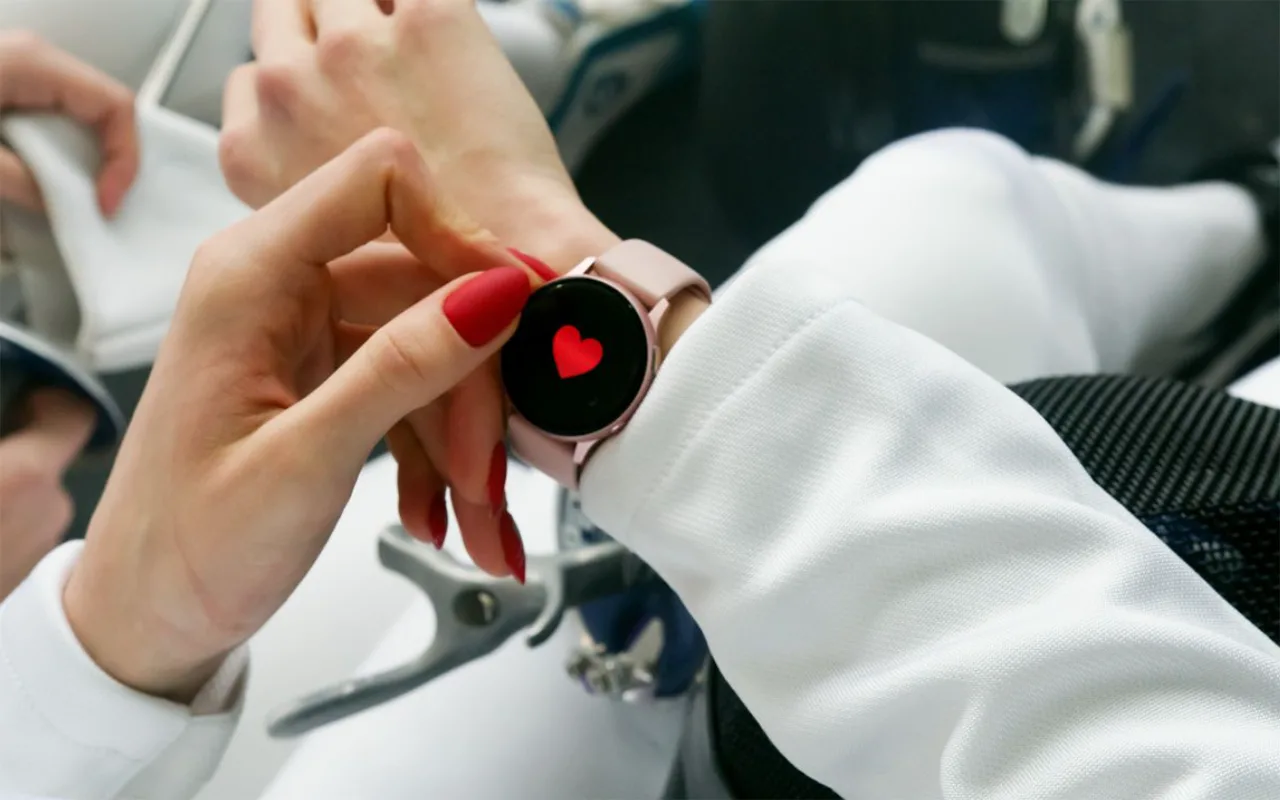
- Smartwatch: Balanced feature set; moderate overnight comfort; medium battery capacity. Best for users who also need daytime health tracking.
- Smart ring: Lightweight, low-profile design; excellent sleep comfort; longer battery life. Ideal for users sensitive to bulky wrist devices.
- Sleep headband: High-quality signal capture; dedicated for night use only; shorter battery runtime. Suitable for premium sleep-focused products.
- Under-mattress sensor: Contactless monitoring; no wearable required; limited biometric depth. Works well for basic sleep detection without heart tracking.
Beyond that, OEM teams should prioritise user comfort when designing sleep-focused wearables, since poor fit directly hurts adherence.
How to Choose a Sleep Optimization Wearable
OEM product teams need to evaluate four critical dimensions before finalising hardware selection. To start with, define the core product goal: basic sleep logging or advanced physiological monitoring. Also, assess battery life and charging cycles, because frequent charging will reduce long-term user compliance. In addition, evaluate data ecosystem and privacy controls, especially for sensitive overnight biometric records. Lastly, test long-term wear comfort, as overnight usability is the top driver of user retention.
Vositone OEM Sleep Wearable Capabilities
Vositone provides end-to-end OEM solutions for sleep optimisation wearable projects.
- Custom hardware integration for PPG, temperature, accelerometer and SpO₂ sensor suites.
- Also, licensed AI sleep staging algorithms with personalised baseline learning.
- Moreover, white-label mobile applications with sleep dashboards and wind-down features.
- In addition, technical documentation for validation testing and regulatory review.
- Lastly, defined MOQ, sample validation and mass production lead times negotiated under NDA.
Limitations and Wellness Disclaimer
Sleep tracking wearables are wellness devices, not medical diagnostic tools. Conversely, they cannot detect or confirm obstructive sleep apnea, narcolepsy or other sleep disorders. In fact, many factors can distort readings, including alcohol, medication, restless movement and inconsistent wearing. For this reason, brands must avoid medical claims in marketing copy. In summary, users with worrying sleep symptoms should seek evaluation from qualified sleep clinicians.
FAQ
Can Vositone sleep wearables diagnose sleep apnea?
No. These consumer wellness devices cannot diagnose sleep apnea or any sleep disorder. While SpO₂ readings may show oxygen trend changes, they are not sufficient for clinical diagnosis. Suspected apnea requires formal PSG testing with a sleep specialist.
How many nights of data does the AI model need to build a user’s sleep baseline?
The algorithm typically uses seven consecutive nights of valid sleep data to create a personalised baseline. After that, it continuously fine-tunes as new sleep recordings are collected.
Which form factor delivers the most accurate overnight sleep tracking?
Accuracy depends heavily on sensor fit. Smart rings usually offer superior overnight comfort, while sleep headbands capture stronger raw signals. No single form factor is universally best for all users.
What environmental factors interfere with wearable sleep stage detection?
Major interferences include frequent body movement, loose sensor contact, cold skin, alcohol intake and certain medications. Users should follow sensor calibration guidance to minimise noise.
Can OEM partners select only the sleep algorithm without full hardware design?
Yes. Vositone offers modular licensing. OEM teams can integrate the sleep algorithm into their existing hardware if the sensor configuration meets minimum signal requirements.
Does the sleep dashboard support export of raw sleep data for research?
Yes. The cloud platform includes data export functions for research and internal validation work. All exports must comply with global data privacy rules and user consent requirements.
CTA
Contact Vositone OEM technical team to discuss your sleep wearable project. Specifically, request hardware specifications and algorithm demo access under NDA for your feasibility assessment.
Optimize sleep, build with Vositone.
Useful Links:
GSMA Intelligence
IEEE Xplore Digital Library
U.S. FDA Digital Health Center of Excellence
PubMed Central (NIH)
Statista - Wearable Technology


Copyright © 2026 Vositone Tech. All rights reserved. | Premium Smart Watch Manufacturer | Health Content Disclaimer | Privacy Policy | Terms of Service | SiteMap
Vositone® - Professional smart watch and smart band OEM/ODM manufacturer. CE, FCC, RoHS, IP68 Rating.