Cardiac Health Management Handbook 2026: Wearable Heart Monitoring
Cardiac health management with wearables combines continuous resting heart rate tracking, HRV monitoring, irregular rhythm detection for AFib screening, and exercise heart rate zones to build a complete picture of cardiovascular health. This 2026 handbook from Vositone, a Shenzhen-based 16-year wearable OEM with 70+ R&D engineers and hospital-validated cardiac algorithms, covers normal ranges, daily management habits, risk factors, data interpretation, and when to seek medical care. All features are wellness-level; consult a healthcare professional for medical concerns. For general usage tips, read our Smart Health Usage Complete Guide 2026.
- Understanding Cardiac Health Metrics
- Resting Heart Rate Management
- HRV for Cardiac Health
- Arrhythmia and AFib Detection
- Exercise and Cardiac Health
- Cardiac Risk Factors and Prevention
- Daily Cardiac Health Habits
- When to Seek Medical Care
- Data Interpretation and Sharing
- Vositone Cardiac Health OEM Capabilities
- Frequently Asked Questions
- Take Charge of Your Cardiac Health
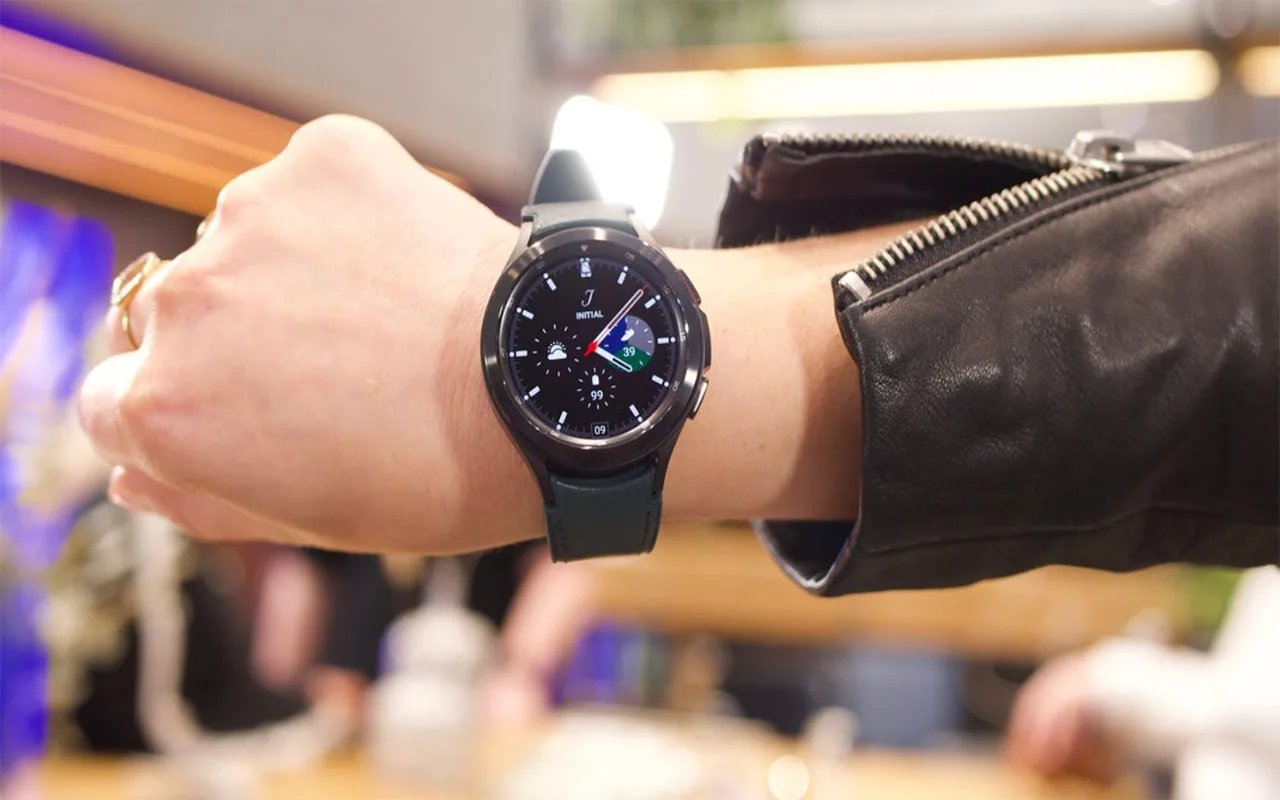
Understanding Cardiac Health Metrics
Key Cardiac Metrics Overview
In practice, wearable cardiac health monitoring centers on four key metrics: resting heart rate (RHR), heart rate variability (HRV), heart rhythm (including AFib screening), and exercise heart rate response. Together, these provide a window into autonomic nervous system function, cardiovascular fitness, and potential arrhythmia.
Resting Heart Rate
Similarly, resting heart rate is the number of heartbeats per minute at complete rest. A normal RHR for adults is 60-100 bpm, with endurance athletes often showing 40-60 bpm. A rising RHR trend over days or weeks may indicate illness, stress, poor recovery, or overtraining, while a declining RHR can signal improved cardiovascular fitness.
Heart Rate Variability
Furthermore, HRV measures the variation in time between consecutive heartbeats, reflecting the balance between sympathetic (stress) and parasympathetic (recovery) nervous system activity. Higher HRV generally indicates better fitness and recovery, while lower HRV may signal stress, fatigue, or illness. Vositone reports RMSSD, a widely used time-domain HRV metric.
Heart Rhythm and AFib
Finally, heart rhythm analysis detects irregular beat patterns that may indicate atrial fibrillation (AFib) or other arrhythmias. Vositone's PPG-based algorithm analyzes pulse interval regularity and can notify users of suspected irregular rhythms. This is a wellness screening feature, not a medical diagnosis, and any alert should be confirmed by a healthcare professional with ECG.
For accuracy details, see our Health Data Precision Guide 2026.
Resting Heart Rate Management
How to Measure RHR Correctly
For example, for the most reliable resting heart rate, measure first thing in the morning before getting out of bed, after a restful night's sleep, and before caffeine or exercise. Sit or lie quietly for 2-3 minutes, then take a reading. Vositone devices automatically measure RHR during sleep and upon waking, providing a daily baseline without manual effort.
Normal Ranges by Age and Fitness
Similarly, normal resting heart rate varies by age and fitness level. Adults generally range 60-100 bpm, while well-trained athletes may be 40-60 bpm. Children have higher normal ranges. What matters most is your personal baseline: a sustained increase of 5-10 bpm above your typical RHR warrants attention to recovery, stress, or potential illness.
What RHR Trends Reveal
Furthermore, a consistently elevated RHR (above your personal baseline) over several days may indicate insufficient recovery, high stress, dehydration, or the onset of illness. A gradually declining RHR over weeks or months with consistent exercise typically reflects improved cardiorespiratory fitness. Vositone's app displays RHR trends over 7, 30, and 90 days for easy pattern recognition.
Vositone RHR Features
Finally, Vositone devices track RHR continuously during sleep and rest, display daily RHR in the app dashboard, and can alert you to unusually high or low readings. RHR data is available for export and can be shared with healthcare providers to support clinical discussions about cardiovascular health.
HRV for Cardiac Health
HRV and Autonomic Balance
Specifically, HRV is a direct measure of autonomic nervous system balance, which regulates heart rate, blood pressure, and digestion. The parasympathetic ("rest and digest") branch increases HRV, while the sympathetic ("fight or flight") branch decreases it. Monitoring HRV helps you understand whether your body is in a state of recovery or stress.
Morning HRV Protocol
Next, measure HRV first thing in the morning, before standing, eating, or checking your phone. Consistent measurement conditions are essential because HRV is sensitive to alcohol, late meals, poor sleep, stress, and exercise. Vositone automatically computes overnight HRV during sleep, providing a consistent morning baseline without manual measurement.
Interpreting HRV Trends
Furthermore, HRV is highly individual, so compare your current readings to your own 30-90 day baseline, not to population averages. A downward trend over several days suggests accumulated fatigue or stress and may indicate a need for rest, lighter exercise, or stress reduction. A stable or upward trend indicates good recovery and readiness for training.
Vositone HRV and Stress Features
Finally, Vositone reports RMSSD (root mean square of successive differences), SDNN, and a composite stress index derived from HRV and heart rate. The app provides 7-day and 30-day HRV trends, and when stress is detected as high, it offers guided breathing exercises to promote parasympathetic activation and recovery.
For AI health insights, see our Smartwatch Health Advisor Guide 2026.
Download Cardiac Health Quick Reference (PDF) with normal ranges and red flag symptoms.
Arrhythmia and AFib Detection
How PPG Detects Irregular Rhythm
Regarding arrhythmia detection, Vositone uses photoplethysmography (PPG) to analyze the regularity of pulse intervals. The algorithm examines beat-to-beat timing over multiple minutes, applying signal quality filters and pattern recognition to identify irregular patterns consistent with atrial fibrillation. Detection occurs during periods of low motion for best accuracy.
AFib Screening Capabilities
Similarly, AFib is the most common sustained cardiac arrhythmia, affecting millions worldwide, and many cases are asymptomatic. Wearable PPG screening can identify individuals who may benefit from clinical evaluation. Vositone's irregular rhythm notification is designed for wellness screening and has been validated through hospital partnerships, but it is not a substitute for medical ECG or a doctor's diagnosis.
What to Do When an Alert Occurs
Furthermore, if you receive an irregular rhythm notification, do not panic. Many factors can cause occasional irregular beats, including caffeine, stress, alcohol, and premature atrial contractions. However, if alerts are repeated or accompanied by symptoms (palpitations, shortness of breath, dizziness, chest discomfort), schedule an appointment with a healthcare professional for ECG evaluation.
Important Limitations
Finally, PPG-based AFib screening has limitations: it may miss paroxysmal (intermittent) AFib, may produce false positives in users with frequent premature beats, and is less accurate during movement. Vositone clearly labels this feature as wellness screening, provides educational information about AFib, and recommends clinical confirmation for any positive result.
For regulatory context, see our Healthcare AI Regulatory Compliance Guide.
Exercise and Cardiac Health
Heart Rate Zones
In practice, exercise heart rate zones guide training intensity. Zone 2 (60-70% max heart rate) builds aerobic base and fat oxidation. Threshold zone (80-90%) improves lactate threshold. VO2 max zone (90-100%) builds peak capacity but should be used sparingly. Vositone devices display real-time heart rate zones during workouts and summarize time in each zone.
Cardiorespiratory Fitness (VO2 Max)
Similarly, Vositone estimates VO2 max (maximum oxygen uptake) from resting heart rate, age, gender, and activity data. VO2 max is a strong predictor of cardiovascular health and longevity. Improving VO2 max through regular aerobic exercise reduces cardiovascular disease risk. Track your estimated VO2 max over months to measure fitness progress.
Post-Exercise Heart Rate Recovery
Furthermore, heart rate recovery (HRR) — how quickly your heart rate drops after exercise — is another indicator of cardiovascular fitness. A faster drop (e.g., 20+ bpm in the first minute after stopping) generally indicates good fitness and autonomic function. Vositone tracks HRR during the cool-down phase of workouts.
Safe Exercise Guidelines
Finally, the American Heart Association recommends at least 150 minutes of moderate-intensity aerobic exercise or 75 minutes of vigorous exercise per week, plus muscle-strengthening activities twice weekly. Start gradually if you are new to exercise, warm up before intense activity, and stop if you experience chest pain, unusual shortness of breath, dizziness, or palpitations. Consult a doctor before starting a new exercise program if you have known cardiac conditions.
Cardiac Risk Factors and Prevention
Modifiable Risk Factors
Above all, several cardiac risk factors are modifiable through lifestyle: high blood pressure, high cholesterol, smoking, type 2 diabetes, obesity, physical inactivity, excessive alcohol, chronic stress, and poor sleep. Addressing these factors can significantly reduce cardiovascular disease risk. Wearables help monitor activity, sleep, stress, and estimated blood pressure trends.
Non-Modifiable Risk Factors
Similarly, some risk factors cannot be changed: increasing age, male gender (men face higher risk at younger ages; women's risk rises after menopause), and family history of early heart disease. If you have non-modifiable risk factors, it is especially important to manage modifiable factors and discuss screening with your healthcare provider.
Wearable Role in Risk Monitoring
Furthermore, Vositone wearables support cardiac risk monitoring through: continuous activity tracking (meeting exercise goals), sleep quality monitoring (poor sleep is linked to hypertension), stress tracking (chronic stress raises cortisol and blood pressure), estimated blood pressure trends (wellness-level), and resting heart rate trends. These data points create a holistic picture of cardiac risk factors.
Prevention Through Lifestyle
Finally, prevention strategies include: regular aerobic exercise, a heart-healthy diet (Mediterranean-style, low in processed foods and sodium), not smoking, limiting alcohol, managing stress through mindfulness or breathing, maintaining healthy sleep (7-9 hours), and regular check-ups with a healthcare provider. Vositone's holistic health tracking supports all these lifestyle areas.
For sleep and cardiac health, see our Sleep Architecture Technical Guide 2026.
Daily Cardiac Health Habits
Morning Check-In Routine
For example, establish a morning cardiac check-in: review your resting heart rate, HRV, sleep quality, and stress baseline upon waking. A consistent morning routine helps you notice deviations from your personal baseline early. Vositone's app provides a morning summary card with these key metrics.
Activity and Movement
Similarly, aim for at least 150 minutes of moderate activity per week, broken into 30-minute sessions on most days. Use sedentary reminders to stand and move every 60 minutes. Even short walks after meals improve blood pressure and glucose control. Vositone tracks steps, active minutes, and calories, with customizable goals.
Stress Management
Furthermore, chronic stress elevates cortisol and blood pressure, increasing cardiac risk over time. Practice stress reduction daily: deep breathing (Vositone offers guided breathing exercises), meditation, yoga, time in nature, or hobbies you enjoy. Monitor your stress index trends and prioritize recovery on high-stress days.
Sleep and Recovery
Finally, poor sleep is linked to hypertension, irregular heart rhythms, and increased cardiovascular risk. Aim for 7-9 hours of quality sleep nightly, maintain a consistent sleep schedule, and create a cool, dark sleep environment. Vositone's sleep tracking provides sleep stages, efficiency, and overnight heart rate and SpO2 to support recovery monitoring.
For sleep environment tips, see our Sleep Environment Practical Guide 2026.
When to Seek Medical Care
Red Flag Symptoms
In practice, seek immediate medical attention (emergency services) if you experience: chest pain or pressure lasting more than a few minutes, pain radiating to the arm, jaw, or back, sudden shortness of breath at rest, fainting or near-fainting, rapid or irregular heartbeat with dizziness, or confusion. These may indicate a heart attack, serious arrhythmia, or other cardiac emergency.
Persistent Abnormal Readings
Similarly, schedule a non-emergency medical appointment if you notice: sustained resting heart rate above 100 bpm or below 40 bpm (without athlete fitness), repeated irregular rhythm notifications, declining HRV with no clear cause, or estimated blood pressure consistently above 130/80. Bring your wearable trend data to the appointment.
Family History and Screening
Furthermore, if you have a family history of early heart disease (male relative under 55, female under 65), or known cardiac conditions, discuss appropriate screening with your doctor, which may include blood pressure checks, cholesterol panels, ECG, or exercise stress tests. Wearable data can supplement but not replace clinical screening.
Sharing Wearable Data
Finally, Vositone's app allows you to export cardiac data as PDF reports or CSV files, which you can share with your healthcare provider. Trend data over weeks or months can provide valuable context between clinical visits. Some providers can integrate wearable data directly into electronic health records, expanding the value of continuous monitoring.
For data platform integration, see our Unified Health Platform Architecture 2026.
Data Interpretation and Sharing
Trends Over Single Readings
Above all, cardiac health data is most meaningful when viewed as trends over time, not isolated readings. A single elevated heart rate or irregular beat may be benign, while sustained changes over days or weeks are more clinically relevant. Vositone's app provides 7-day, 30-day, and 90-day trend views for all cardiac metrics.
Cardiac Dashboard Interpretation
Similarly, the Vositone cardiac dashboard displays: resting heart rate trend, HRV (RMSSD) trend, irregular rhythm notification history, exercise heart rate zone distribution, estimated VO2 max, and stress index. Review this dashboard weekly to identify patterns. The app highlights notable changes, such as sustained RHR elevation or HRV decline.
Data Export and Formats
Furthermore, export cardiac data as PDF (for sharing with doctors) or CSV (for personal analysis or integration with other health platforms). PDF reports include trend charts and summary statistics. CSV exports include timestamped raw data for all metrics. Vositone supports full data ownership and portability.
Privacy and Cardiac Data
Finally, cardiac data is sensitive health information. Vositone encrypts data in transit and at rest, never sells personal health data, and provides granular privacy controls. You choose whether to sync data to the cloud or keep it local-only. For OEM clients, we support GDPR, CCPA, and HIPAA-compliant architecture options.
Vositone Cardiac Health OEM Capabilities
Hospital-Validated Algorithms
Specifically, Vositone's cardiac algorithms are validated through three hospital partnerships, with concurrent ECG reference measurements and diverse population studies. We provide validation reports including sensitivity, specificity, accuracy, and per-demographic subgroup performance to support our OEM clients' regulatory submissions.
Custom Cardiac Feature Development
Next, for brands building cardiac health wearables, Vositone offers custom algorithm development: enhanced irregular rhythm detection, personalized heart rate zones, fitness age estimation, cardiac risk scoring, and integration with third-party health platforms. Our 70+ R&D engineers cover sensor design, signal processing, machine learning, and app development.
Regulatory and Quality Support
Furthermore, Vositone maintains ISO 13485 certified production and provides regulatory documentation support for FDA and CE pathways. Our 0.3% defect rate ensures consistent hardware quality across production batches. We work with brands from concept through mass production, with 300pcs MOQ, 10-15 day sampling, and 30-55 day mass production.
Reference Designs
Finally, Vositone offers proven cardiac health reference designs, including the VO539 (6.8mm ultra-thin, 24/7 heart rate + HRV + irregular rhythm) and VO547 (7.5mm, 7-10 day battery, full cardiac suite). These designs can be customized with brand identity, features, and form factors while maintaining validated cardiac performance.
As a Shenzhen-based wearable ODM/OEM manufacturer with 16-year industry experience, Vositone helps brands build cardiac health wearables with hospital-validated accuracy and consumer-friendly design. Learn more at our ODM and OEM Custom Wearable Solutions page.
Frequently Asked Questions
Cardiac Metrics and Usage Questions
Q1: What is a normal resting heart rate, and what should I do if mine is high?
A1: To begin with, a normal resting heart rate for adults is 60-100 bpm, with endurance athletes often at 40-60 bpm. If your RHR is consistently above 100 bpm (tachycardia) or below 40 bpm (without athlete fitness), or if you notice a sustained 5-10 bpm increase above your personal baseline, evaluate factors like sleep, stress, hydration, caffeine, and illness. If the elevation persists or is accompanied by symptoms, consult a healthcare professional.
Q2: How does a smartwatch detect AFib, and how accurate is it?
A2: Essentially, smartwatches use PPG sensors to analyze the regularity of pulse intervals over time. Vositone's algorithm examines beat-to-beat timing during low-motion periods and applies pattern recognition to identify irregular patterns consistent with AFib. PPG-based AFib screening can identify many cases but has limitations: it may miss intermittent AFib, may produce false positives with premature beats, and is less accurate during movement. Any positive result should be confirmed by a healthcare professional with ECG. This is wellness screening, not a medical diagnosis.
Q3: What is HRV and how should I use it for cardiac health?
A3: As a best practice, HRV (heart rate variability) measures variation between consecutive heartbeats, reflecting autonomic nervous system balance. Measure it consistently each morning before getting out of bed. Compare your readings to your own 30-90 day baseline, not population averages. A downward trend over several days suggests fatigue or stress and indicates a need for rest or lighter exercise. A stable or upward trend indicates good recovery. HRV is a wellness tool, not a diagnostic measure.
Risk and Medical Questions
Q4: What cardiac risk factors can wearables help monitor?
A4: Put simply, wearables can help monitor several modifiable cardiac risk factors: physical activity levels (meeting 150 min/week exercise goals), sleep quality and duration (poor sleep links to hypertension), stress levels (chronic stress raises blood pressure), estimated blood pressure trends (wellness-level), and resting heart rate trends. They cannot diagnose conditions, but they provide data that supports awareness and lifestyle modification. Always combine wearable data with regular clinical check-ups.
Q5: What symptoms require immediate medical attention?
A5: Generally, seek emergency care immediately for: chest pain or pressure lasting more than a few minutes, pain radiating to the arm, jaw, or back, sudden shortness of breath at rest, fainting or near-fainting, rapid or irregular heartbeat with dizziness or confusion, or unexplained severe fatigue. These may indicate a heart attack, serious arrhythmia, or other cardiac emergency. Do not rely on wearable data in an emergency; call emergency services.
Q6: Can Vositone build a custom cardiac health wearable for my brand?
A6: Most importantly, yes. Vositone provides end-to-end OEM/ODM services for cardiac health wearables: sensor selection, hospital-validated algorithm development (heart rate, HRV, irregular rhythm), custom app and dashboard design, regulatory documentation support (FDA/CE), and ISO 13485 certified mass production. Our 70+ R&D engineers and three hospital partnerships support clinical validation. MOQ starts at 300pcs, with 10-15 day sampling and 30-55 day mass production.
Take Charge of Your Cardiac Health
Finally, cardiac health management is a daily practice: monitor your resting heart rate and HRV trends, stay active with 150+ minutes of weekly exercise, manage stress, prioritize sleep, know your risk factors, and seek medical care for red flag symptoms or persistent abnormalities. Wearables provide valuable data and awareness, but they complement, not replace, professional medical care.
For brands building cardiac health wearables: share your vision, target features, and market. Our cardiac health engineering team will assess your requirements, recommend a sensor and algorithm configuration, and provide a timeline and cost estimate within two working days.
Monitor with purpose, build with Vositone.
Useful Links:
GSMA Intelligence
IEEE Xplore Digital Library
U.S. FDA Digital Health Center of Excellence
PubMed Central (NIH)
Statista - Wearable Technology


Copyright © 2026 Vositone Tech. All rights reserved. | Premium Smart Watch Manufacturer | Health Content Disclaimer | Privacy Policy | Terms of Service | SiteMap
Vositone® - Professional smart watch and smart band OEM/ODM manufacturer. CE, FCC, RoHS, IP68 Rating.


