Healthcare Smartwatch 2026: The Complete Medical Monitoring Guide
Best healthcare smartwatch selection depends heavily on your intended use case, sensor requirements, clinical validation and regulatory obligations. While many modern wearables deliver impressive wellness tracking, only a small subset carries formal medical clearance for clinical applications. This knowledge‑base buying guide from Vositone — a 16‑year Shenzhen wearable OEM with 70+ R&D engineers and ISO 13485‑capable manufacturing — helps both end consumers and brand buyers evaluate healthcare smartwatches, compare core specifications, avoid common marketing pitfalls, and explore custom OEM options. For home monitoring operation guidance, read our Home Heart Monitoring Guide 2026.
Medical disclaimer: All consumer‑grade healthcare smartwatches referenced here are wellness trend devices unless explicitly marked as cleared medical hardware. They cannot diagnose, treat, cure or prevent disease. No wearable replaces in‑person assessment by a licensed healthcare provider. Seek emergency care immediately for chest pain, fainting, severe shortness of breath or other acute cardiac symptoms. In the U.S., call 911.
[Table of contents]
- Healthcare‑Focused Smartwatch Market Overview
- Core Buying Criteria for Healthcare Smartwatches
- Select Smartwatch By Target Use‑Case
- Healthcare‑Smartwatch Capability Comparison Table
- Common Buying Pitfalls To Avoid
- Vositone OEM Healthcare‑Smartwatch Capabilities
- Limitations and Medical Disclaimer
- Frequently Asked Questions
- Build Your Healthcare‑Focused Wearable
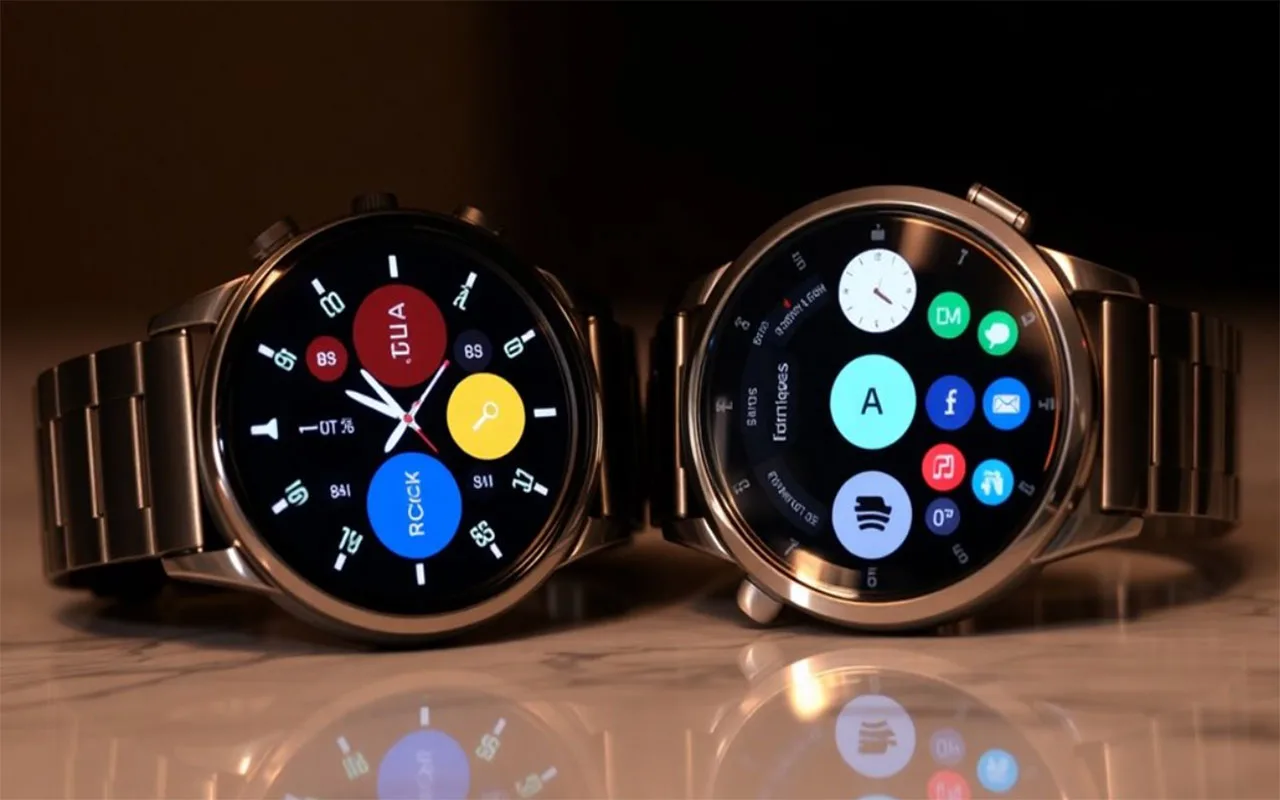
Healthcare‑Focused Smartwatch Market Overview
In recent years, healthcare wearables have evolved beyond simple fitness tracking to support continuous vital sign logging and remote patient monitoring. Even so, the market remains split into two very different categories. On one side, mass‑market wellness watches track resting heart rate, HRV and sleep with no formal medical clearance. On the other side, medical‑grade wearables pass strict clinical validation and regulatory review before they can be marketed for diagnostic or clinical screening purposes.
For brand OEM teams, this distinction directly shapes product roadmaps, marketing wording and compliance costs. For individual buyers, it sets realistic expectations around what data can and cannot be trusted for medical decisions. If you want to understand the underlying signal processing for cardiac features, visit our ECG Signal Analysis Technical Breakdown.
Core Buying Criteria for Healthcare Smartwatches
Integrated Sensor Suite
First, review the onboard sensor configuration. PPG optical sensors form the baseline for heart rate and pulse variability tracking. Additional modules may include single‑lead ECG, SpO2, skin temperature, accelerometers and gyroscopes for motion artifact reduction. More sensors do not automatically mean higher accuracy, however. Sensor fusion and noise filtering algorithms matter equally for reliable readings.
Clinical Validation Data
Next, verify whether published validation studies exist for each health metric. Validated devices test sensor outputs against clinical reference equipment across diverse skin tones, age groups and body types. Unvalidated watches often perform well under ideal resting conditions but degrade quickly during movement or low perfusion. You can review algorithm performance benchmarks in our Arrhythmia Detection Specifications.
Regulatory Certification Status
Furthermore, confirm applicable regulatory status. Wellness devices fall under general consumer product rules, while medical functions require FDA 510(k) clearance in the U.S. or CE MDR compliance for the European market. Certification is feature‑specific; a watch may have one cleared function while remaining wellness‑only for all other metrics. Misclassification creates major legal and marketing risks for OEM brands.
Battery Life & Continuous Monitoring
Additionally, check battery runtime under your intended monitoring schedule. Healthcare use cases often require 24/7 continuous tracking, including overnight sleep and oxygen measurement. Short battery life forces frequent charging and creates data gaps that reduce trend value. Low‑power hardware design and sensor duty cycling balance measurement frequency with power consumption.
Data Ecosystem & Privacy Controls
Finally, examine data export options and privacy architecture. Good healthcare wearables support PDF or CSV data export for clinician review. They also implement strong encryption, user consent workflows and compliant data storage. For full guidance on health data protection, read our Health Data Privacy Protection Guide.
Select Smartwatch By Target Use‑Case
General Wellness & Cardiac Trend Tracking
Choose a wellness PPG smartwatch for everyday heart rate, HRV and sleep trend monitoring. This category suits health‑conscious consumers and brands building non‑medical wellness products. It delivers continuous trend insights without heavy regulatory overhead, yet it cannot diagnose arrhythmia or other cardiac conditions.
Chronic Disease Monitoring
For chronic disease monitoring projects, prioritize devices with validated continuous vital signs and robust data logging. These wearables support long‑term trend review for conditions such as hypertension and cardiovascular disease. Even so, all outputs remain supplementary. Clinicians must combine wearable trends with in‑person testing to make medical judgments. See our Chronic Disease Monitoring Wearables article for deeper background.
Elderly Care & Fall Detection
Elderly care deployments benefit from integrated fall detection, SOS emergency alerts and simplified UI. Battery longevity and stable connectivity become critical. Many OEM customers pair these watches with caregiver dashboards for remote notification. Always test fall detection algorithms across different movement patterns to reduce false positive alerts.
RPM Remote Patient Monitoring (OEM Projects)
Remote patient monitoring OEM projects require medical regulatory clearance, hospital‑ready data interfaces and audit‑capable data logs. These deployments involve higher clinical validation investment and longer time‑to‑market. Vositone partners with brands to build RPM wearables with hospital‑compliant data pipelines.
Healthcare‑Smartwatch Capability Comparison Table
| Category | Wellness PPG Smartwatch | Consumer ECG Smartwatch | Medical‑Cleared Healthcare Watch |
|---|---|---|---|
| Core Sensors | PPG, accelerometer, skin temperature | PPG + single‑lead ECG, motion sensors | Medical‑grade PPG/ECG, multi‑axis IMU, validated algorithms |
| Regulatory Status | Wellness device, no medical claims | Wellness with optional ECG feature; not automatically medical | FDA 510(k) / CE MDR cleared for stated medical functions |
| Best Use Case | Consumer daily health trends | Palpitation event logging for doctor review | Hospital RPM, clinical screening programs |
| Limitations | Cannot detect specific arrhythmia types | Single‑lead ECG, limited clinical validation | High cost, longer certification cycle, strict marketing controls |
| Vositone OEM Support | Fully supported, low MOQ | Supported as custom module add‑on | Supported with clinical partner and regulatory consulting |
Common Buying Pitfalls To Avoid
Overstated Medical Claims
Many wearable marketing materials blur wellness trends with medical diagnosis. Do not trust copy that claims the watch can “detect heart disease” or “diagnose AFib” unless the specific function carries official regulatory clearance. Wellness devices can only flag irregular pulse patterns for further clinical review.
Missing Validation For Diverse User Groups
Some validation tests only use young, light‑skinned test subjects. These devices often show degraded accuracy for users with darker skin tones, tattoos or poor peripheral blood flow. Always request full validation datasets covering your target demographic before committing to mass production.
Overlooking Data Integration Work
Hardware is only half the project. Healthcare use cases require app dashboards, clinician reporting tools and secure data transfer. Many OEM buyers underestimate development work on the software side, which can delay launch and increase total project cost.
Vositone OEM Healthcare‑Smartwatch Capabilities
Vositone builds custom healthcare‑focused smartwatches for global brand OEM clients. Our hardware options include PPG, SpO2, single‑lead ECG and multi‑sensor fusion designs. We offer algorithm licensing and support clinical validation through our hospital research partners. Our ISO 13485‑capable factory handles mass production, while our regulatory team can assist with documentation preparation for FDA and CE MDR pathways.
Our standard MOQ starts at 300 units for white‑label wellness wearables. Sampling takes 10‑15 days, and mass production runs 30‑55 days. We maintain full IP ownership transfer for OEM customers, so your brand retains all rights to the final device design and firmware. Visit our ODM and OEM Custom Wearable Solutions pillar page to review our full wearable portfolio.
Limitations and Medical Disclaimer
Wellness vs Medical Device Boundary
Wellness healthcare smartwatches track physiological trends, but they cannot replace clinical testing. A normal wearable reading never rules out underlying heart disease. Similarly, an abnormal alert does not equal a confirmed medical diagnosis. Always refer cardiac symptoms to a licensed healthcare provider.
Emergency Guidance
For acute symptoms such as chest pressure, fainting or severe breathlessness, contact emergency services immediately. Do not wait for wearable data or app analysis. The American Heart Association publishes trusted patient guidance for cardiac monitoring and wearable devices here.
Frequently Asked Questions
Healthcare Smartwatch Selection Basics
Q1: What is the difference between a wellness smartwatch and a medical‑cleared healthcare smartwatch?
A1: To begin with, wellness smartwatches capture physiological trends such as heart rate, HRV and SpO2 without formal medical regulatory clearance. Brands cannot make diagnostic claims on these devices. Medical‑cleared healthcare smartwatches complete clinical validation and pass regulatory review. Only their cleared functions can be marketed for defined clinical screening or monitoring purposes. Even cleared wearables still require clinician interpretation for final diagnosis.
Q2: Which sensors matter most for healthcare smartwatch projects?
A2: Essentially, PPG optical sensing forms the foundation for heart rate and pulse interval tracking. Single‑lead ECG adds the ability to capture electrical heart tracings during palpitations. Accelerometers and gyroscopes reduce motion artifacts to improve measurement reliability. SpO2 and skin temperature add extra wellness context. Nevertheless, sensor count is less important than validation quality and algorithm stability.
Q3: What should OEM buyers know about medical certification timelines?
A3: As a best practice, wellness wearable projects can launch much faster because they avoid heavy medical regulatory review. Medical cleared functions require clinical trial design, data collection, regulatory submission and review. This process typically adds 12 to 24 months to the project timeline and increases total development cost. Many brands start with a wellness version before adding cleared medical features later.
OEM & Practical Deployment Questions
Q4: Can Vositone build a custom healthcare smartwatch with ECG for my brand?
A4: Put simply, yes. Vositone integrates single‑lead ECG modules alongside PPG and other sensors for OEM customers. We supply hardware, firmware and optional algorithm licensing. We also connect brands to our hospital partners for clinical validation and offer regulatory documentation support for FDA and CE MDR routes. Your team controls final branding, app design and go‑to‑market messaging.
Q5: Are healthcare smartwatches accurate for elderly users?
A5: Generally, accuracy depends on sensor design, motion filtering and validation testing across older test populations. Elderly users often have lower peripheral perfusion and higher motion noise, which can reduce PPG reliability. When targeting senior users, prioritize devices validated on older cohorts and include robust motion artifact rejection. Pair the wearable with simplified interfaces and SOS alerts for best results.
Q6: Can healthcare smartwatch data be shared directly with hospitals?
A6: Most importantly, raw wearable data can be exported as PDF or CSV files for manual clinician review. Direct hospital EHR integration requires additional HIPAA/GDPR compliant software development and hospital IT approval. Many OEM projects start with manual data export before building full EHR interoperability. Data privacy controls must be built into the platform from the earliest design phase.
Build Your Healthcare‑Focused Wearable
Finally, selecting the best healthcare smartwatch is not about picking the most feature‑rich hardware. It is about matching sensors, validation and regulatory status to your actual use case and market requirements. Vositone delivers end‑to‑end OEM wearable services: hardware design, sensor integration, algorithm support, clinical validation partnerships, white‑label app development and volume manufacturing.
Share your target audience, required sensor set, intended market region, wellness or medical claim scope and projected order volume. Our healthcare OEM team will respond within two working days with a customized proposal.
Build validated wearables, partner with Vositone.
Useful links:


Copyright © 2026 Vositone Tech. All rights reserved. | Premium Smart Watch Manufacturer | Health Content Disclaimer | Privacy Policy | Terms of Service | SiteMap
Vositone® - Professional smart watch and smart band OEM/ODM manufacturer. CE, FCC, RoHS, IP68 Rating.


